
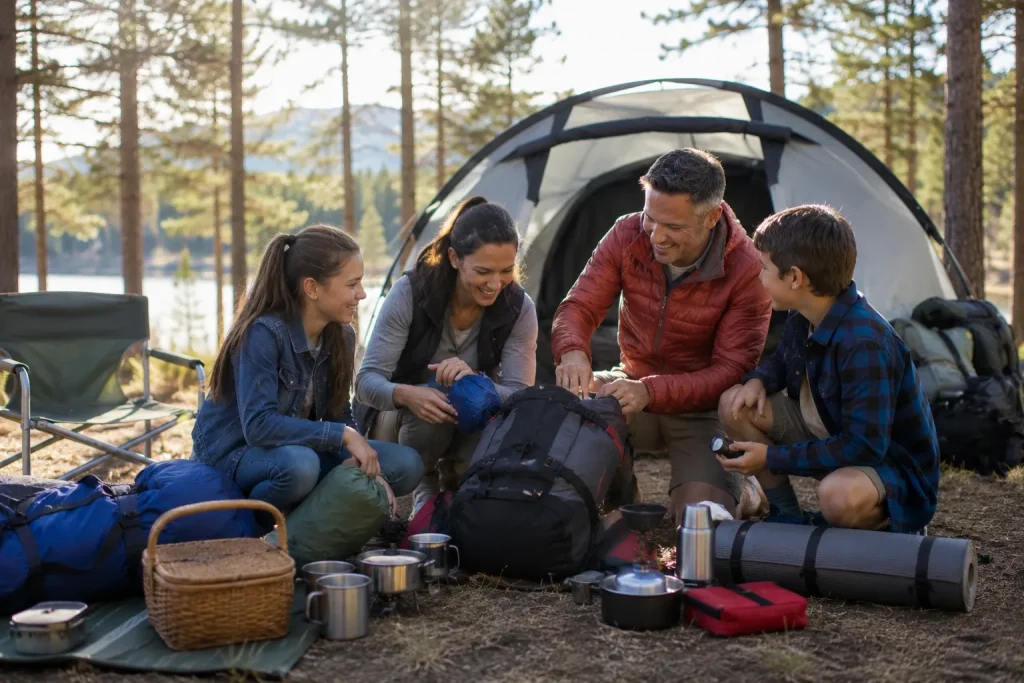
A well-chosen Right Campsite can turn an ordinary trip into a comfortable and memorable family holiday. Families now have access to more than 16,000 public and private campgrounds across the United States. According to the 2025 North American Camping Report, nearly 58 million households camp each year. That number continues to grow because families want affordable outdoor experiences and quality time together.
Choosing the Right Campsite involves more than finding an empty patch of land. We need to consider safety, facilities, accessibility, and activities. Children, seniors, and pets often have different needs, which makes planning even more important. Campgrounds vary widely in terms of amenities, location, and rules.
From our experience organizing family camping trips, sites with nearby restrooms, shaded areas, and easy access to drinking water consistently provide the best experience. Expert recommendations from the National Park Service also emphasize selecting campgrounds that match your family’s skill level and comfort requirements.
Making the right choice before leaving home helps reduce stress and creates a safer environment for everyone.
Understand Your Family’s Camping Needs
Every family has unique expectations. Identifying those needs helps narrow the options and makes finding the Right Campsite easier.
Consider Ages and Comfort Levels
Young children often require bathrooms, clean water, and safe play areas. Older kids may prefer hiking trails, fishing, or biking opportunities. Families with seniors usually benefit from campsites with paved access and nearby facilities.
Our experience shows that first-time campers enjoy developed campgrounds more than remote backcountry locations. These sites offer picnic tables, fire rings, and access to showers.
Important questions to ask include:
- How many people are camping?
- Are pets coming along?
- Do family members need electricity?
- Is wheelchair access necessary?
- Will children need playgrounds or swimming areas?
Matching campground features to family needs increases comfort and reduces unexpected problems.
Evaluate Location and Accessibility
Location plays a major role when selecting the Right Campsite. Travel distance and nearby attractions influence the overall experience.
Check Distance and Nearby Services
According to AAA, the average American family road trip covers 284 miles. Long drives can become exhausting, especially with young children. Choosing a campsite within two to four hours from home often works best.
Nearby services also matter. Families should look for:
- Grocery stores within 15 miles.
- Medical facilities within 20 miles.
- Fuel stations near the campground.
- Mobile phone coverage.
- Emergency contacts.
From personal experience, campsites located near small towns provide convenience without sacrificing the outdoor atmosphere. Having access to supplies prevents unnecessary stress during the trip. Start your journey with our guide to personal experience.
Compare Campsite Types
| Campsite Type | Average Nightly Cost | Best For |
|---|---|---|
| National Park Campgrounds | $20-$35 | Nature lovers |
| State Park Campgrounds | $15-$40 | Families with children |
| Private RV Parks | $45-$80 | Full amenities |
| Primitive Campsites | $0-$20 | Experienced campers |
| KOA Campgrounds | $55-$95 | Comfort-focused families |
Selecting the Right Campsite depends on balancing convenience with the outdoor experience your family wants.
Examine Facilities and Safety Features
Facilities directly affect comfort and enjoyment. Experienced campers know that amenities can make a huge difference.
Prioritize Essential Amenities
The National Park Service recommends checking campground information before booking. Water availability, restroom access, and food storage options should always be reviewed.
Important features include:
- Flush toilets.
- Potable water stations.
- Picnic tables.
- Fire pits.
- Shade trees.
- Shower facilities.
- Trash disposal services.
Families with young children often benefit from campgrounds offering playgrounds and ranger programs. Many state parks provide educational activities during summer months.
Focus on Safety Conditions
Safety remains one of the most important factors when choosing the Right Campsite. Expert outdoor guides recommend avoiding low-lying areas that may flood during heavy rain.
Based on our camping experience, sites located away from steep slopes and dead trees provide better protection. Flat ground also improves sleeping comfort and tent stability.
Check these safety factors before reserving:
- Weather history.
- Wildlife activity reports.
- Fire restrictions.
- Emergency exits.
- Cell phone reception.
- Distance to ranger stations.
Families should always review campground regulations and prepare for changing weather conditions.
Research Activities and Seasonal Conditions
Activities keep children engaged and make camping more enjoyable. Selecting a campsite with age-appropriate recreation adds value to the trip.
Match Activities to Family Interests
According to the Outdoor Industry Association, hiking, fishing, and swimming rank among the top family camping activities in 2025. Campgrounds often provide maps and activity schedules.
Popular options include:
- Hiking trails.
- Canoeing.
- Kayaking.
- Wildlife viewing.
- Bicycle paths.
- Nature programs.
- Fishing lakes.
In our experience, campgrounds with multiple activity options reduce boredom and keep children active throughout the stay.
Seasonal conditions also matter. Summer temperatures in many national parks exceed 90°F, while spring and fall offer milder weather. Checking monthly weather averages helps families pack properly and avoid uncomfortable conditions.
Conclusion
Finding the Right Campsite requires careful planning and attention to family needs. Factors such as location, safety, amenities, and available activities all contribute to a successful camping experience. Families who research campground conditions and match features with their preferences usually enjoy smoother trips.
From our experience, campsites with reliable facilities and convenient access consistently provide the best balance between adventure and comfort. Expert recommendations support choosing sites that suit your family’s experience level rather than pursuing extreme locations. By evaluating important details before booking, we can create a relaxing outdoor holiday that everyone remembers for years to come.